
Use Case · Resilience
Backup Power & Resilience
Keep critical loads running during outages or power quality events.
- < 1 cycle
- Transfer time
- Island-form
- Black-start capable
- Sized to load
- Runtime
Outcomes
What this solution delivers.
Ride-through for critical loads
Sub-cycle switchover keeps IT, drives, and controls running through grid events.
Clean, quiet backup
No fuel, no emissions, no start delay — instant power at the critical-load panel.
Generator coordination
Pair with an existing genset so the battery covers short outages and the generator extends rare long ones.
Problem
Why this matters.
When the grid drops, the real cost is rarely the kilowatt-hours — it's spoiled product, halted and corrupted processes, and safety risk on the plant floor. A diesel generator takes seconds to start and idles inefficiently on the short events that cause most of that damage, while storage picks up the islanded bus in under a single AC cycle.
When the grid drops, the cost is rarely the kilowatt-hours — it's spoiled product, halted processes, corrupted batches, and safety risk. A generator takes seconds to start and idles inefficiently on short events; storage picks up the islanded bus in under one AC cycle. Navvion sizes runtime from your actual critical-load list, and the same system can pair with PV or an existing generator to carry extended outages.
Navvion Approach
How we deliver results.
Architecture
How the system fits together.
The battery sits behind an automatic transfer switch feeding the critical-load panel. On grid loss, the PCS island-forms in under a cycle; PV or an existing generator can recharge the battery through extended outages.
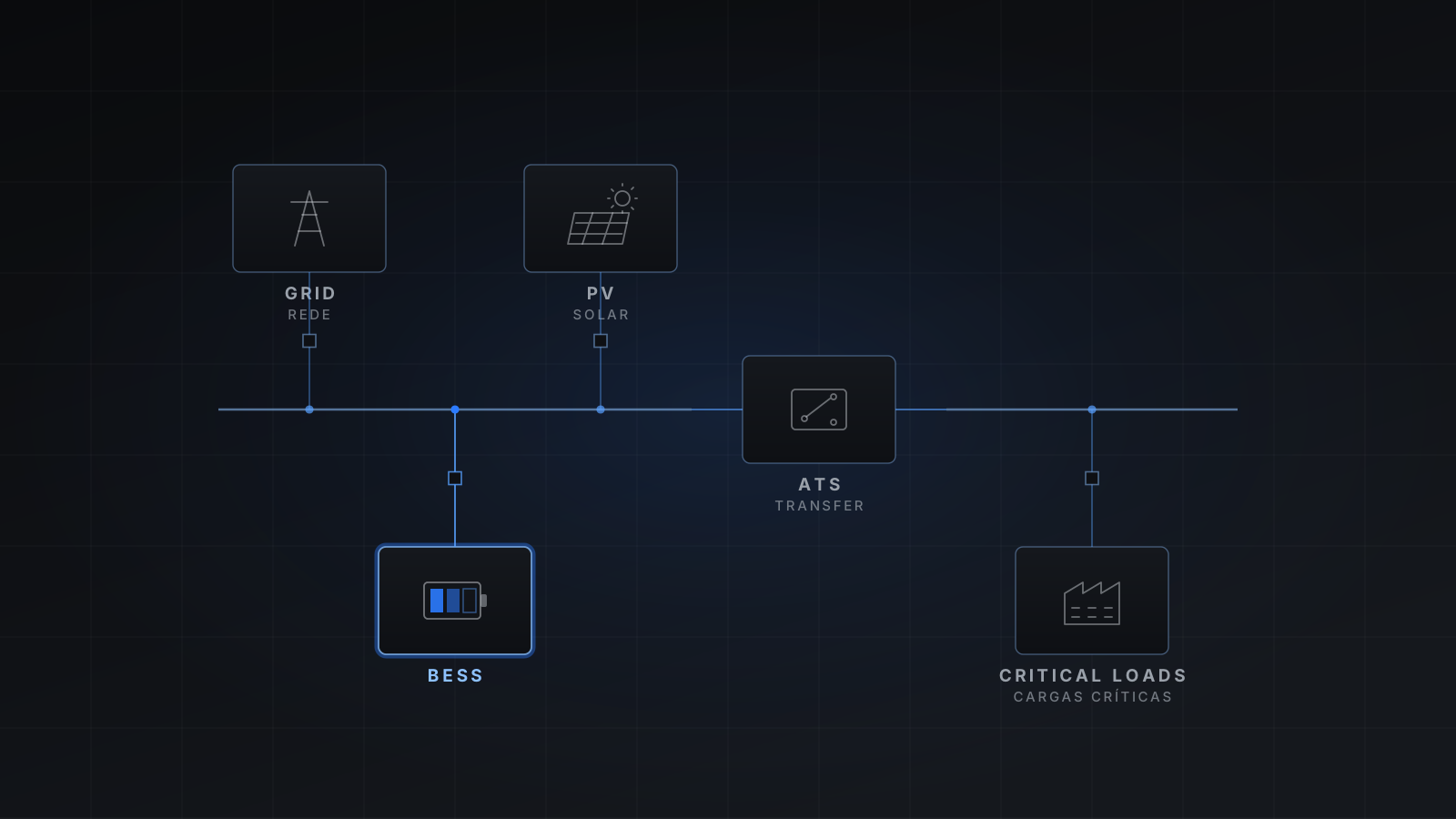
Simplified one-line diagram. Final architecture is engineered per site.
Products Used
Navvion systems for this solution.
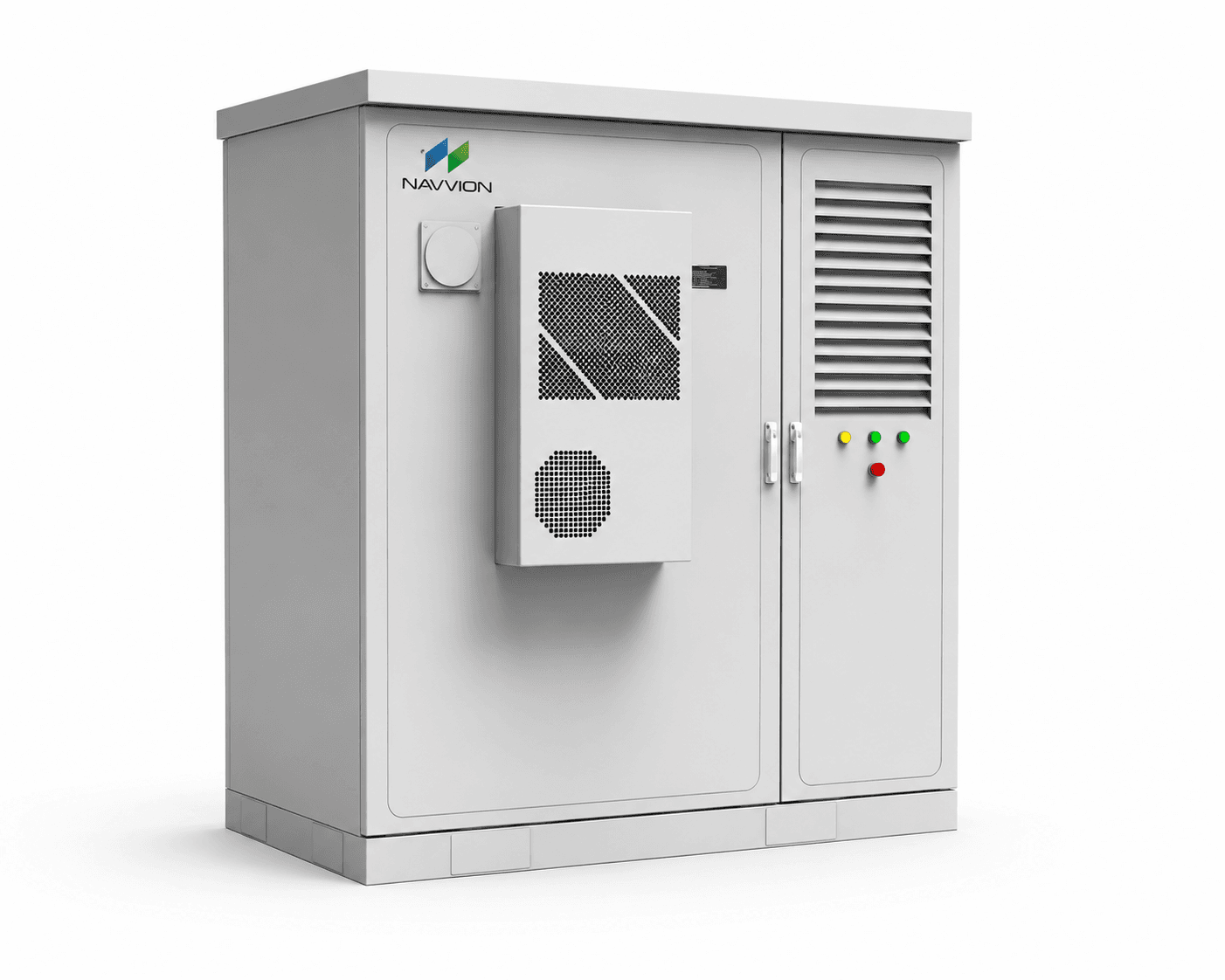
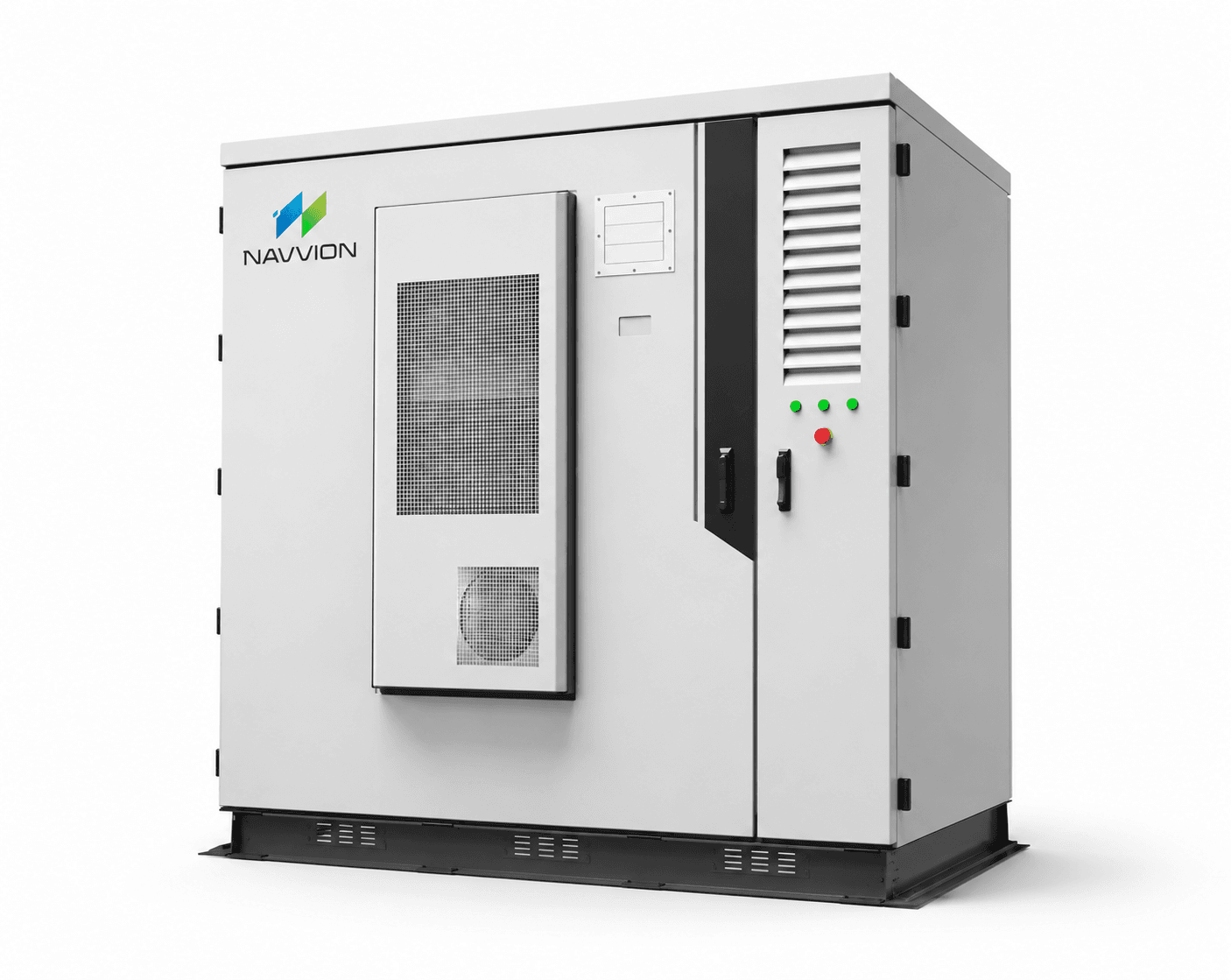
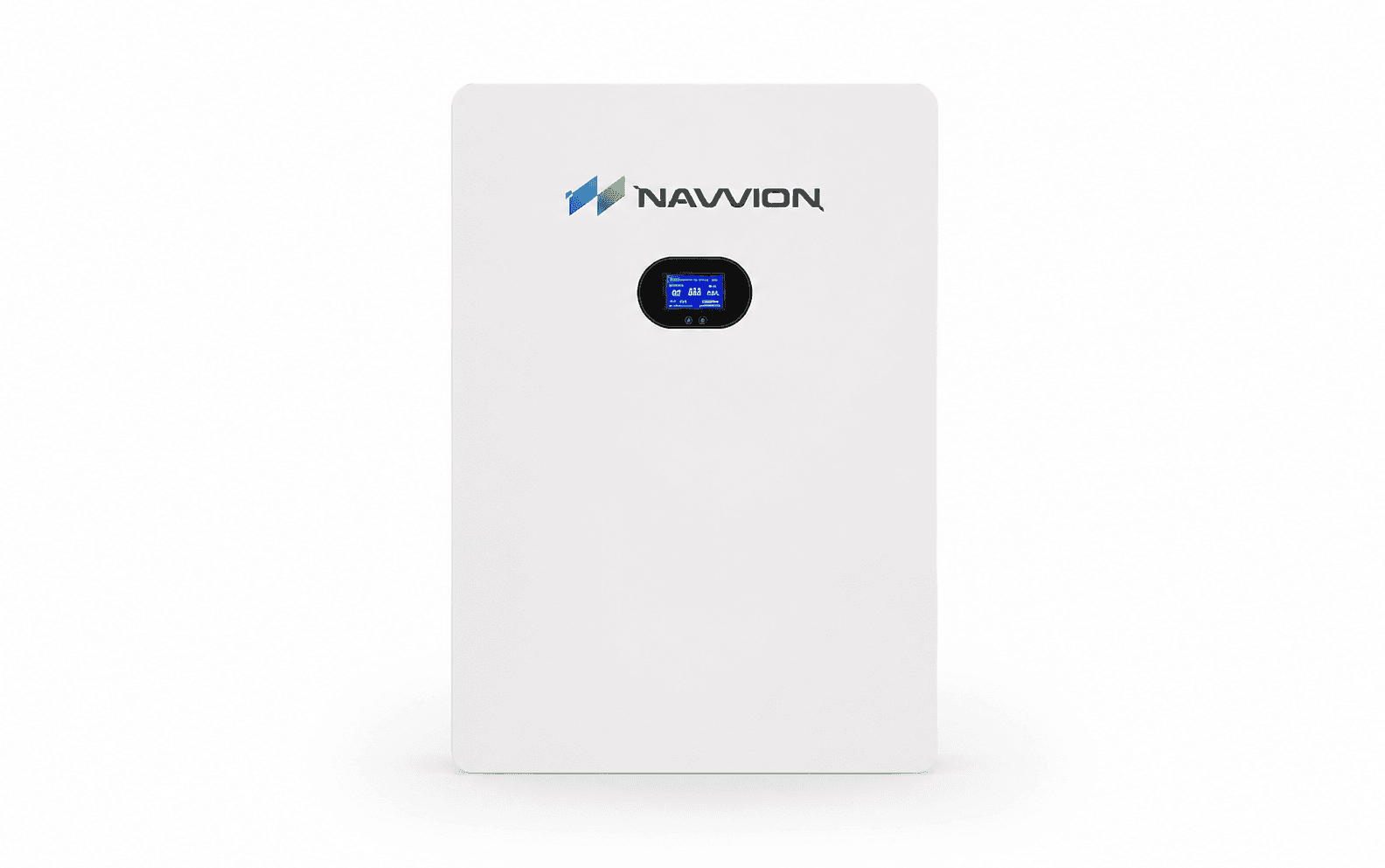
Navvion Omega hybrid systems island-form natively and coordinate with generators; Navvion Alpha and Beta cabinets back up commercial panels; Navvion Zero covers small-site and residential resilience.
- System sizing
- ATS coordination
- Commissioning
- Training
Economics
What the payback looks like.
| Critical load | 150 kW |
| Required runtime | 2 h |
| Battery size | 300 kWh / 150 kW |
| Installed cost | $420 / kWh |
| Outage exposure | 8 h / yr |
| Cost of downtime | $6,000 / h |
| Installed cost | $126,000 |
| Usable runtime at critical load | ~2 h |
| Avoided-downtime value | $48,000 / yr |
| Payback (resilience) | ~2.6 years |
| Also enables | Peak shaving / demand savings |
Illustrative scenario using the default assumptions from our ROI calculator. We model real savings against your actual tariff and load profile.
Run your numbersFAQ
Common questions.
How long can the battery carry our critical loads?
Runtime is the battery's usable energy divided by the critical load — we size from your actual critical-load list and required runtime, not the whole facility.
Should we replace our diesel generator or keep it?
Often both is best: the battery covers instant transfer and short outages, the generator extends runtime for rare long events while running fewer hours.
What does sub-cycle transfer actually mean?
The PCS picks up the islanded bus in less than one AC cycle, fast enough that IT equipment, drives, and controls ride through without interruption.
Can the backup battery also save money day-to-day?
Yes — between outages the same system does peak shaving and demand management, so it earns its keep instead of sitting idle. Much of a resilience project's value is avoided risk, but this day-to-day co-benefit is real recurring cash flow, and it's what our ROI calculator models for backup scenarios.
How do you size runtime we can trust?
From your actual critical-load list and required runtime — with margin for motor inrush — not the whole facility, then validated against measured draw at commissioning so the runtime you're quoted is the runtime you get.
More Solutions
Explore related applications.
Let's model your project.
Send your load profile through the intake form and we'll respond with a sizing analysis.
What we need to start.
- Critical load list
- Required runtime
- Outage history
- Transfer scheme